
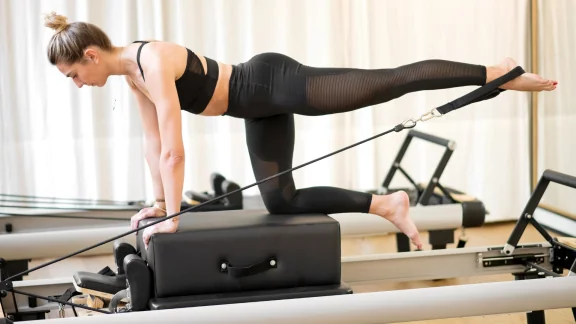
Clinical Pilates vs regular Pilates: what's the difference?
Same equipment, same core principles, a very different level of assessment behind it.
Clinical Pilates is led by a physiotherapist, starting with an assessment of your movement, strength and any injury before a single exercise is chosen. A regular studio or gym Pilates class follows a set program built for a general audience. Same core principles, very different level of individual care behind them.
Quick answer
- Generally healthy, want a good workout: a regular class is fine
- Recovering from injury, surgery, or a diagnosed condition: Clinical Pilates
- Regular classes aggravate your symptoms: Clinical Pilates can modify around it
How each one actually works
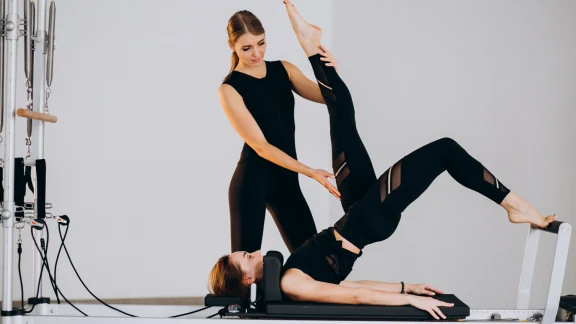
Clinical Pilates starts with a Physiotherapy assessment: your movement, strength, posture and any injury history. Exercises are then selected and modified specifically for you, in a small group capped low enough for the physiotherapist to correct technique individually, or one-on-one. The program changes as your strength and control improve.
A regular studio or gym Pilates class runs a set or semi-set program designed for a general class of participants. It's led by a Pilates instructor rather than a physiotherapist, and while a good instructor will still offer general modifications, there's no individual clinical assessment behind the program, and no ability to prescribe around a specific diagnosed injury the way a physiotherapist can.
Clinical Pilates vs regular Pilates, side by side
| Clinical Pilates | Regular studio/gym Pilates | |
|---|---|---|
| Led by | A physiotherapist | A Pilates instructor |
| Starts with | A clinical assessment of your movement, strength and injury history | Enrolment in a set or semi-set class program |
| Best for | Injury recovery, post-surgical rehab, diagnosed conditions, aggravated symptoms | General fitness, core strength and mobility for a healthy body |
| Individualisation | Exercises chosen and modified specifically around your condition | General modifications offered, not condition-specific prescription |
| Group size | Small, capped for individual correction, or one-on-one | Varies, often larger studio or gym class sizes |
| Health fund claimable | Yes, delivered as Physiotherapy | Not typically, delivered as a fitness class |
When Clinical Pilates actually matters
Not every body needs the clinical version. These are the situations where the individual assessment genuinely changes the outcome.
Book now- Recovering from surgeryExercises are staged and modified around what's safe at each point of healing.
- A diagnosed conditionDisc issues, joint instability or hypermobility need movements chosen with that specifically in mind.
- Regular classes made things worseA common reason people switch, once a movement in a general class aggravates an existing issue.
- Rebuilding after a sports injuryLayered in once acute pain has settled, to rebuild strength that protects against re-injury.
- Pregnancy or postnatal recoveryCore and pelvic floor work modified for what your body is actually going through.
- Generally healthyIf none of the above apply, a good regular Pilates class is a perfectly reasonable choice.
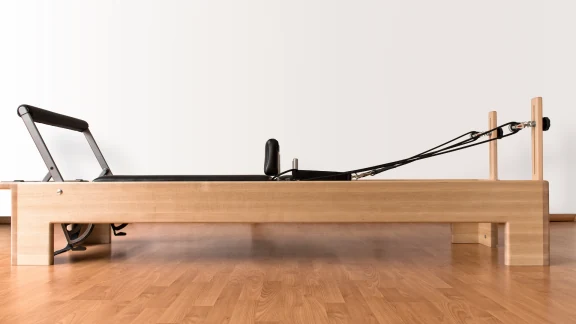
What a Clinical Pilates session looks like
- An assessment first
Your injury history, current symptoms and movement checked before any exercise is chosen.
- A program built around you
Reformer, mat or both, with specific exercises included or avoided based on your condition.
- Progressed as you improve
The program advances in step with your actual strength and control, not a fixed timeline.
Is regular Pilates unsafe?
Not for most people. Regular Pilates is a low-impact, generally safe form of exercise for a healthy body. The risk isn't the exercise itself, it's applying a general program to a body that has a specific injury, surgical history or condition an instructor hasn't been trained to assess for.
If you have a current injury, are recovering from surgery, or a movement in a regular class has aggravated your symptoms before, that's the signal to have a proper assessment first rather than pushing through a set program.
Neither Clinical nor regular Pilates is a substitute for urgent medical care. Pain with unexplained weight loss, fever, numbness in the saddle area, or loss of bowel or bladder control needs medical assessment first.
At Holistic Physio, Clinical Pilates is run by a physiotherapist, not a general instructor, so it's genuinely built around your body.
- Physiotherapist-led, every session
- A clinical assessment before your program is built
- Small groups, individual correction, not a crowded studio class
- Registered with all major health funds as Physiotherapy
Our belief
The exercise matters less than whether it's right for your body right now.
Good questions
People often assume Clinical Pilates is just Pilates with a clinical-sounding name. Here's what's actually different.
Learn more about Clinical Pilates
Read the full detail on how we run it.
What's the difference between Clinical Pilates and a regular Pilates class?
Clinical Pilates is led by a physiotherapist and starts with a proper assessment of your movement, strength and any injury history. Exercises are chosen and modified specifically for your body, in a small group or one-on-one setting. A regular studio or gym Pilates class follows a set or semi-set program aimed at a general audience, without an individual clinical assessment behind it.
Is Clinical Pilates just regular Pilates with a higher price tag?
No. The price difference reflects the assessment and individualisation, not the same class with a different name. A physiotherapist trained in Clinical Pilates is qualified to modify or avoid specific movements based on your injury or condition, something a general Pilates instructor isn't trained to do.
Do I need Clinical Pilates, or is a regular class fine?
If you're generally healthy and just want a good workout, a regular Pilates class is a reasonable choice. If you're recovering from an injury or surgery, have a diagnosed condition like disc issues or joint instability, or have tried regular exercise classes and found they aggravate your symptoms, Clinical Pilates is the safer and more effective option.
Can Clinical Pilates help with an existing injury?
Yes, that's a large part of what it's designed for. Because a physiotherapist runs the session, exercises can be specifically chosen to strengthen around an injury and avoid movements that would aggravate it, often as a structured step after the acute phase of an injury has settled.
Is Clinical Pilates evidence-based?
The core exercise principles, core stability, controlled movement, gradual loading, are well-supported for rehabilitation and injury prevention. The added value of Clinical Pilates specifically comes from individualised prescription by a trained clinician, which is standard Physiotherapy practice rather than a separate research claim.
Do I need a doctor's referral for Clinical Pilates?
No, you can book directly. A referral is only required for WorkCover, Veterans' Affairs, CTP or a Medicare chronic condition management plan.
Can I claim Clinical Pilates on my private health fund?
In most cases, yes, since it's delivered as Physiotherapy. The clinic is registered with all major health funds for Physiotherapy, so most policies allow you to claim on the spot through HICAPS and just pay the gap. Check with your fund to confirm your level of cover.
Ready to start Clinical Pilates?
Call us to talk through your symptoms, or book an appointment and we'll assess what's right for you.
Tue 1:30–5:30pm
Thu 10am–6:30pm
Closed Wed, Fri, Sat & Sun
- Visit
- 26 Gladstone Rd (Cnr Brook St)
Highgate Hill Qld 4101On-site parking via Brook St - Call
- 07 3844 8202