
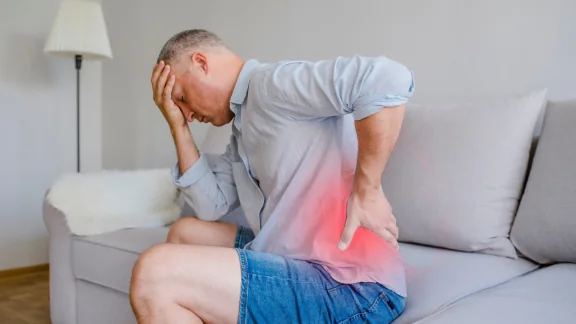
Physiotherapy vs Acupuncture: which one do you need?
Two different ways of treating pain and dysfunction, and often the strongest results come from using both.
Physiotherapy treats the musculoskeletal system directly, with manual therapy, exercise and posture correction. Acupuncture treats through the nervous system, using fine needles to trigger natural pain relief and calm overactive nerve signalling. Neither replaces the other. Most conditions respond fastest when both are used together.
Quick answer
- Weak muscles, poor posture, an old injury: Physiotherapy first
- Sensitised nerves, stress-driven tension, stubborn muscle knots: Acupuncture helps
- Long-standing or complex pain: usually both, layered together

How each one actually works
Physiotherapy is a science-based practice built on how your joints, muscles and nerves work together. Using manual therapy, tailored exercise and posture correction, it addresses the mechanics behind pain and movement problems, restoring strength and function so the same issue is less likely to return.
Acupuncture uses very fine, sterile needles at specific points to trigger the release of your body's own natural painkillers and calm an overactive nervous system. In Traditional Chinese Medicine, this is described as restoring the flow of Qi along the body's meridians. In plain terms, that flow maps closely onto your nervous system and circulation, the channels your body actually uses to send pain signals and move blood around.
Physiotherapy vs Acupuncture, side by side
| Physiotherapy | Acupuncture | |
|---|---|---|
| Works through | Muscles, joints and movement mechanics | The nervous system and circulation |
| Best for | Weak or tight muscles, poor posture, injury rehab, building strength that lasts | Sensitised nerves, chronic pain, stress-driven tension, calming an overactive system |
| What a session feels like | Hands-on treatment plus targeted exercise, active and interactive | Ultra-fine needles, usually felt as warmth or deep relaxation, often restful |
| Evidence base | Broad, well-established across most musculoskeletal conditions | Strongest for chronic pain, tension headaches and nausea; developing for other uses |
| Typical timeline | Gradual, built over a series of sessions as strength and mechanics change | Many notice a shift within the first one or two sessions |
| Works well alone for | Straightforward mechanical issues: a weak hip, poor lifting technique, post-surgical rehab | Nervous-system-driven symptoms without a clear structural cause: stress, sleep, general tension |
When we combine both
Combining them isn't the default, it's a decision made when your specific condition would genuinely benefit from both angles at once.
Book now- A stubborn muscle knotDeep tension that isn't releasing with hands-on work alone often responds to Acupuncture layered in alongside it.
- Long-standing painWhen the nervous system has become sensitised over time, Physiotherapy addresses the mechanics while Acupuncture settles the overreaction.
- Sports injuries and rehabAcupuncture for pain relief and inflammation early on, Physiotherapy to rebuild strength as you recover.
- Pain tangled up with stressMuscle tension made worse by stress often needs the nervous-system calming Acupuncture offers, alongside the physical release of hands-on therapy.
- Chinese Herbal MedicineSometimes layered on top of both, when inflammation or a systemic pattern needs support from the inside too.
- When one alone is enoughSimple mechanical issues often just need Physiotherapy. Nervous-system symptoms without a structural cause often just need Acupuncture. We won't add a therapy that isn't earning its place.

How we decide what you need
- We listen first
Your full story, history and what you want to get back to, assessed through both a Physiotherapy and TCM lens.
- An honest recommendation
Physiotherapy, Acupuncture, or both, based on what your condition actually needs, not a fixed package.
- Reviewed as you progress
The plan adjusts as you improve, whether that means adding a therapy or stepping one back.

Is either safe?
Both are safe when delivered properly. Physiotherapy is adjusted to your comfort throughout, and treatment stops or changes course if something isn't right for you. Acupuncture uses single-use, sterile needles disposed of after every session, with side effects that are uncommon and usually mild, some light bruising or brief tiredness.
A few situations need extra care with Acupuncture specifically: if you're pregnant, a small number of points are avoided, particularly in the first trimester; if you're on blood thinners or have a bleeding disorder, technique is adjusted accordingly. Always tell your practitioner about pregnancy, medications or any bleeding condition before your first session.
Neither is a substitute for urgent medical care. Pain with unexplained weight loss, fever, numbness in the saddle area, or loss of bowel or bladder control needs medical assessment first, not Physiotherapy or Acupuncture.
At Holistic Physio, we combine the best of Western science and Eastern wisdom to help you feel better and understand your body.
- 20+ years of clinical experience across both disciplines
- One practitioner qualified in both, not a referral between separate clinics
- Honest recommendations, never a therapy added just to upsell
- Registered with all major health funds for both
Patient story
A patient came in over several years for various injuries across the thigh, neck and back. Each visit combined Physiotherapy and Acupuncture in the same session, hands-on treatment and exercise to address the mechanics, needling to ease pain and calm the nervous system. They described the combination as more effective than either therapy had been on its own, and consistently left sessions feeling both relieved and rested.
Details altered to protect patient privacy. Individual results vary and depend on your specific condition and history.
Our belief
You don't have to choose. The right combination gets you there faster than either alone.
Good questions
Deciding between the two, or whether you need both, can feel confusing. Here's what helps.
Learn more about each
Read the full detail on each therapy.
What's the difference between Physiotherapy and Acupuncture?
Physiotherapy treats pain and movement problems through the musculoskeletal system directly: manual therapy, targeted exercise and posture correction to rebuild strength and mechanics. Acupuncture works through the nervous system, using fine needles at specific points to trigger natural pain relief, ease inflammation and calm the fight-or-flight response. They approach the same problem from two different angles.
Which is better for back and neck pain?
For back and neck pain caused by weak or tight muscles, poor posture or an old injury that never fully rehabilitated, Physiotherapy is usually the primary treatment, since it corrects the underlying mechanics. Acupuncture is often added when the nervous system has become sensitised from long-standing pain, or when muscle tension isn't releasing with hands-on work alone.
Should I choose Acupuncture over Physiotherapy for stress and anxiety?
For stress, anxiety and sleep issues without a musculoskeletal cause, Acupuncture is usually the more direct option, since it works on the nervous system rather than movement. Physiotherapy becomes relevant if stress is also showing up as physical muscle tension, jaw clenching or postural guarding.
Can I do Physiotherapy and Acupuncture in the same session?
Yes. Many patients have both in the same appointment when their condition calls for it, hands-on Physiotherapy and exercise to address the mechanics, Acupuncture to calm the nervous system and ease pain. Sandra assesses each visit and only combines them when it genuinely adds value, not as a default upsell.
Is Acupuncture as evidence-based as Physiotherapy?
Physiotherapy has a longer, broader evidence base across most musculoskeletal conditions. Acupuncture's evidence is strongest for chronic pain, tension headaches and nausea, with research still developing for other uses. We're upfront about which claims are well-supported and which are based on clinical experience, so you can make an informed choice.
Do I need a doctor's referral for either?
No, you can book either directly. A referral is only required for WorkCover, Veterans' Affairs, CTP or a Medicare chronic condition management plan.
Can I claim Physiotherapy and Acupuncture on my private health fund?
In most cases, yes. The clinic is registered with all major health funds for both Physiotherapy and Acupuncture, so most policies allow you to claim on the spot through HICAPS and just pay the gap. Check with your fund to confirm your level of cover.
When should I see a doctor before trying either?
Pain with unexplained weight loss, fever, numbness in the saddle area, or loss of bowel or bladder control needs urgent medical assessment, not Physiotherapy or Acupuncture. For the far more common everyday aches, muscle pain and long-standing pain patterns, both are appropriate first-line care.
Not sure which you need?
Call us to talk through your symptoms, or book an appointment and we'll assess what's right for you.
Tue 1:30–5:30pm
Thu 10am–6:30pm
Closed Wed, Fri, Sat & Sun
- Visit
- 26 Gladstone Rd (Cnr Brook St)
Highgate Hill Qld 4101On-site parking via Brook St - Call
- 07 3844 8202